The Ever-Changing IT Landscape: Why Updates and System Reviews Are Critical to Your Business
Introduction
In today's digital world, technology is not static. Hardware becomes obsolete, software vulnerabilities emerge daily, and network threats evolve constantly. For businesses of all sizes, staying current with updates and conducting regular system reviews isn't just a best practice—it's essential for maintaining operational efficiency and protecting your most valuable assets. This blog post explores why continuous technological evolution demands proactive management and what happens when organizations fall behind.
The Hardware Reality: Aging Equipment Costs More Than You Think
Hardware doesn't last forever. Servers, workstations, networking equipment, and storage devices all have finite lifespans. As hardware ages, several problems emerge:
- Performance Degradation: Older hardware runs slower, reducing employee productivity and frustrating users.
- Increased Failure Risk: Aging components fail more frequently, leading to unexpected downtime and costly emergency repairs.
- Higher Energy Consumption: Older equipment typically consumes more power, inflating your utility bills.
- Compatibility Issues: Legacy hardware may not support modern software, creating bottlenecks in your IT ecosystem.
- Security Vulnerabilities: Outdated hardware often lacks modern security features and may not support current encryption standards.
Regular hardware reviews help identify aging equipment before it becomes a liability. By planning strategic upgrades, you can avoid emergency replacements and maintain a modern, efficient infrastructure.
Software Updates: The First Line of Defense Against Cyber Threats
Software updates are released constantly—sometimes daily. While they may seem like minor maintenance tasks, they're actually critical security patches and performance improvements. Here's why staying current matters:
- Security Patches: Developers release updates to fix newly discovered vulnerabilities. Delaying updates leaves your systems exposed to known exploits.
- Bug Fixes: Updates resolve performance issues, crashes, and compatibility problems that impact daily operations.
- Feature Improvements: New versions often include efficiency enhancements that can streamline workflows.
- Compliance Requirements: Many industries require current software versions to meet regulatory standards (HIPAA, PCI-DSS, etc.).
- End-of-Life Support: Outdated software eventually loses vendor support, leaving you without security updates or technical assistance.
A single unpatched vulnerability can compromise your entire network. Cybercriminals actively exploit known weaknesses in outdated software. By maintaining a disciplined update schedule, you significantly reduce your attack surface and protect your data.
Network Infrastructure: Keeping Pace with Growing Demands
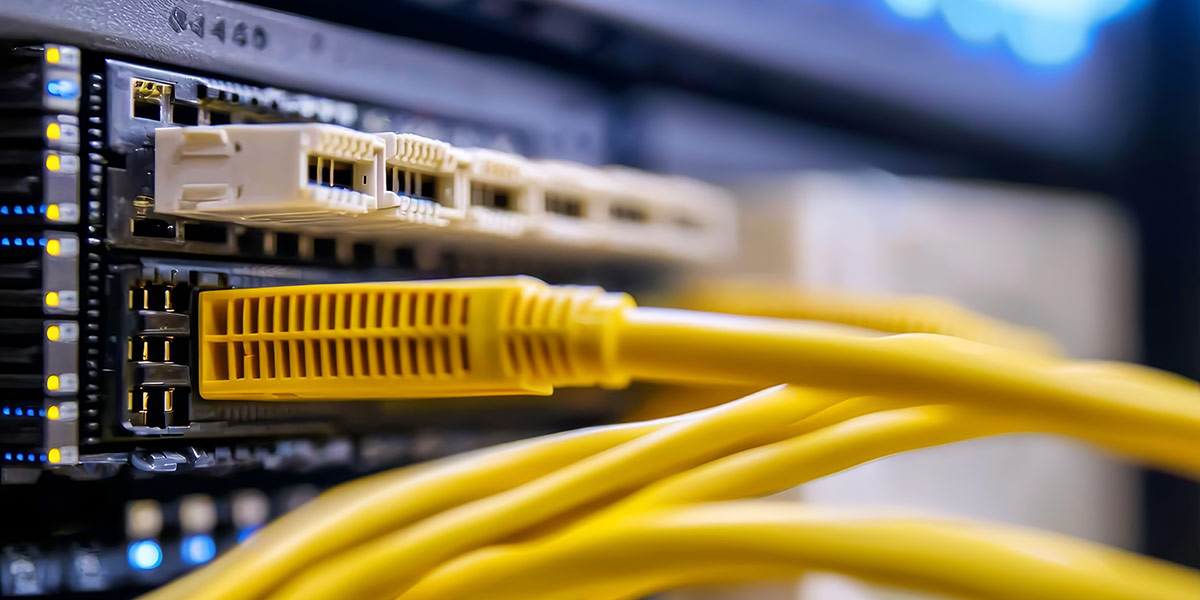
Networks are the backbone of modern business. As your organization grows and technology evolves, your network must evolve too. Consider these factors:
- Bandwidth Requirements: Cloud services, video conferencing, and data-heavy applications demand more network capacity than ever before.
- Security Threats: Network attacks become more sophisticated daily. Older network infrastructure lacks modern security controls.
- Device Proliferation: More devices (laptops, phones, IoT devices) connect to networks, requiring robust management and security.
- Remote Work Demands: Modern workforces need secure, reliable connectivity from anywhere—something legacy networks often can't provide.
- Performance Bottlenecks: Outdated network equipment creates slowdowns that impact productivity across the entire organization.
Regular network reviews identify capacity constraints, security gaps, and opportunities for optimization. Upgrading network infrastructure ensures your business can scale efficiently and securely.
The Hidden Costs of Ignoring Updates and Reviews
Postponing updates and system reviews might seem like cost-saving measures, but the opposite is true. Consider these real-world consequences:
- Security Breaches: A single data breach can cost hundreds of thousands of dollars in remediation, legal fees, and reputation damage.
- Unplanned Downtime: Hardware failures and software crashes cause business interruptions that directly impact revenue.
- Productivity Loss: Slow systems and frequent crashes waste employee time and reduce output.
- Compliance Penalties: Failing to maintain current systems can result in regulatory fines and legal liability.
- Emergency Repairs: Reactive IT management is far more expensive than proactive maintenance and upgrades.
Organizations that invest in regular updates and system reviews typically spend less on IT overall while enjoying better security, performance, and reliability.
Best Practices for Staying Current
To maintain an efficient and secure IT environment, consider implementing these practices:
- Establish an Update Schedule: Plan regular update windows for software and firmware. Automate updates where possible to ensure consistency.
- Conduct Quarterly System Reviews: Evaluate hardware performance, software licensing, network capacity, and security posture every three months.
- Implement Patch Management: Use centralized patch management tools to deploy security updates quickly across all systems.
- Monitor Hardware Health: Track hardware performance metrics and plan replacements before failures occur.
- Test Before Deploying: Always test updates in a controlled environment before rolling them out to production systems.
- Document Your Infrastructure: Maintain detailed records of all hardware, software, and network components for better decision-making.
- Partner with IT Professionals: Work with experienced IT providers who understand your business needs and can recommend strategic upgrades.
Conclusion: Invest in Continuous Improvement
The IT landscape is constantly evolving, and your business must keep pace. Hardware ages, software vulnerabilities emerge, and network demands grow. By committing to regular updates and comprehensive system reviews, you protect your business from security threats, maintain operational efficiency, and position yourself for sustainable growth.
Don't wait for a crisis to address your IT infrastructure. Proactive management today prevents costly problems tomorrow. Whether you're managing IT in-house or partnering with an external provider, make updates and system reviews a cornerstone of your business strategy.
Ready to assess your current IT infrastructure? Contact AERO IT today for a comprehensive system review and strategic recommendations tailored to your business needs.
Call us today with your IT and Network questions 918-640-4916